
Who we are
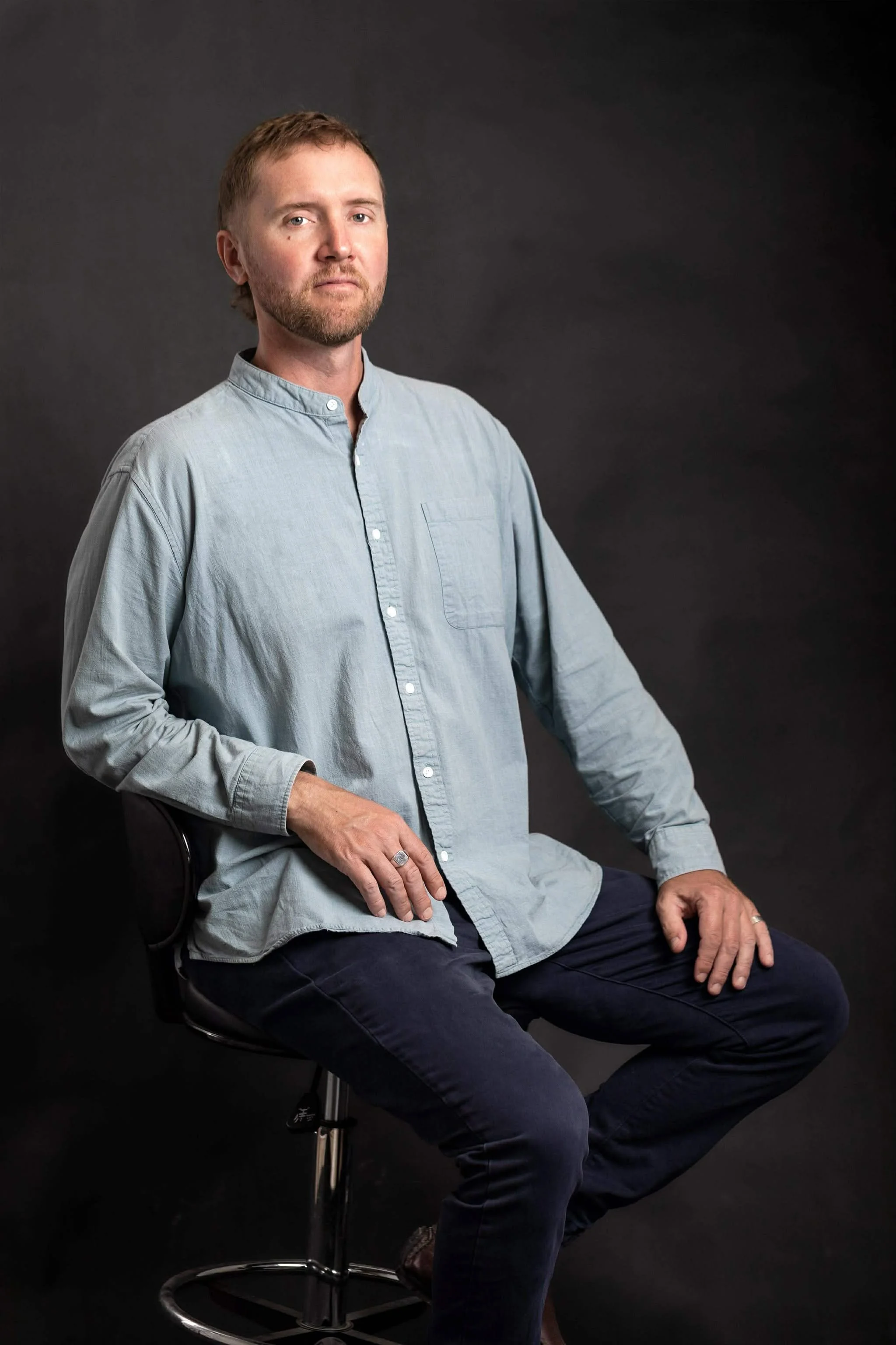
about Patrick
I didn't start out planning to become a Structural Integrationist bodyworker. I spent a decade studying internal martial arts and wellness adjacent structural work across Taiwan and China before bringing that training back to Richmond.
That background shapes how I work. Most bodywork treats pain as a local problem — fix the shoulder, fix the back. Structural Integration starts from a different premise: your whole body is one connected structure, and chronic pain is usually a sign that something elsewhere is pulling things out of alignment. I work through your whole structure, not just the spot that hurts, because that's where lasting change actually comes from.
I trained at and graduated from the Dr. Ida Rolf Institute, and I've spent 3 years working with clients on everything from old injuries to postural pain to performance for athletes and martial artists. I also teach standing meditation (站椿) and internal martial arts (內家拳) — practices I picked up during years living and training in Asia — because body awareness and structural integration go hand in hand.
Frequently Asked Questions
-
Getting started is simple. Reach out through our contact form or schedule a call—we’ll walk you through the next steps and answer any questions along the way.
-
Structural Integration — often called Rolfing — is hands-on work with your body's connective tissue (fascia) to release tension patterns and improve how your whole structure moves and holds itself. Instead of treating one sore spot, we work through a series of sessions that address your whole body, so the change actually lasts instead of relapsing in a few weeks.
-
The Ten Series is the classic Rolfing protocol: ten sessions, each focused on a different part of your body, building from the surface inward and finishing by integrating everything into one balanced structure. It follows Dr. Ida Rolf's core idea — that lasting change comes from working the whole body, not chasing pain from spot to spot.
It's a good fit if you're dealing with chronic pain, postural imbalance, or the accumulated effects of old injuries, repetitive stress, or movement habits that built up over years. Most people feel real, structural change by the end of the series — not just temporary relief.
-
Wear thin, smooth layers or shorts and a fitted T‑shirt for the session. Lightweight fabrics (modal, silk blends, or fine cotton) allow skin contact and bodywork to glide easily. Avoid bulky clothing, heavy seams, buttons, or zippers that can create pressure points or interrupt movement. If modesty is a concern, choose a form‑fitting tank, sports bra, or compression shorts beneath a loose top. Remove jewelry and belt accessories; tuck long hair away. Clean, comfortable attire helps you relax and lets the practitioner work effectively.
-
Approximately one hour.
-
Standing meditation—rooted in centuries of Asian martial tradition—serves as the quiet foundation of many Chinese martial arts, its subtleties passed down within closed dojos and families to safeguard the true essence of a culture wary of dilution by outsiders. Though its practice is often shrouded in secrecy, the discipline is transparently transformative: held postures and mindful stillness reforge the body’s alignment, internal strength, and breath economy while reshaping perception, emotional resilience, and self-mastery, marrying pragmatic physical conditioning with deep psychological refinement.
-
We accept the following payment methods:
Cash
Check
Venmo
Zelle